Why do American football players wear so much protective equipment?
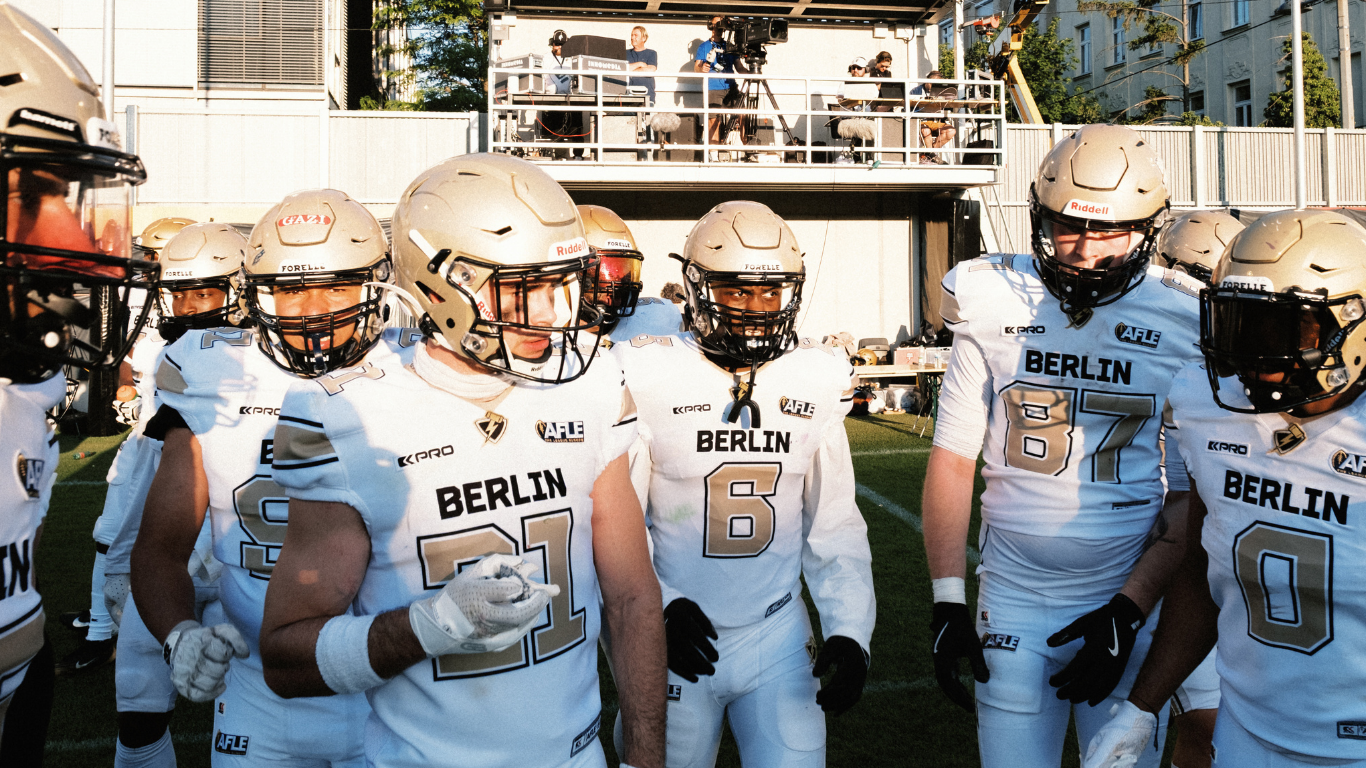
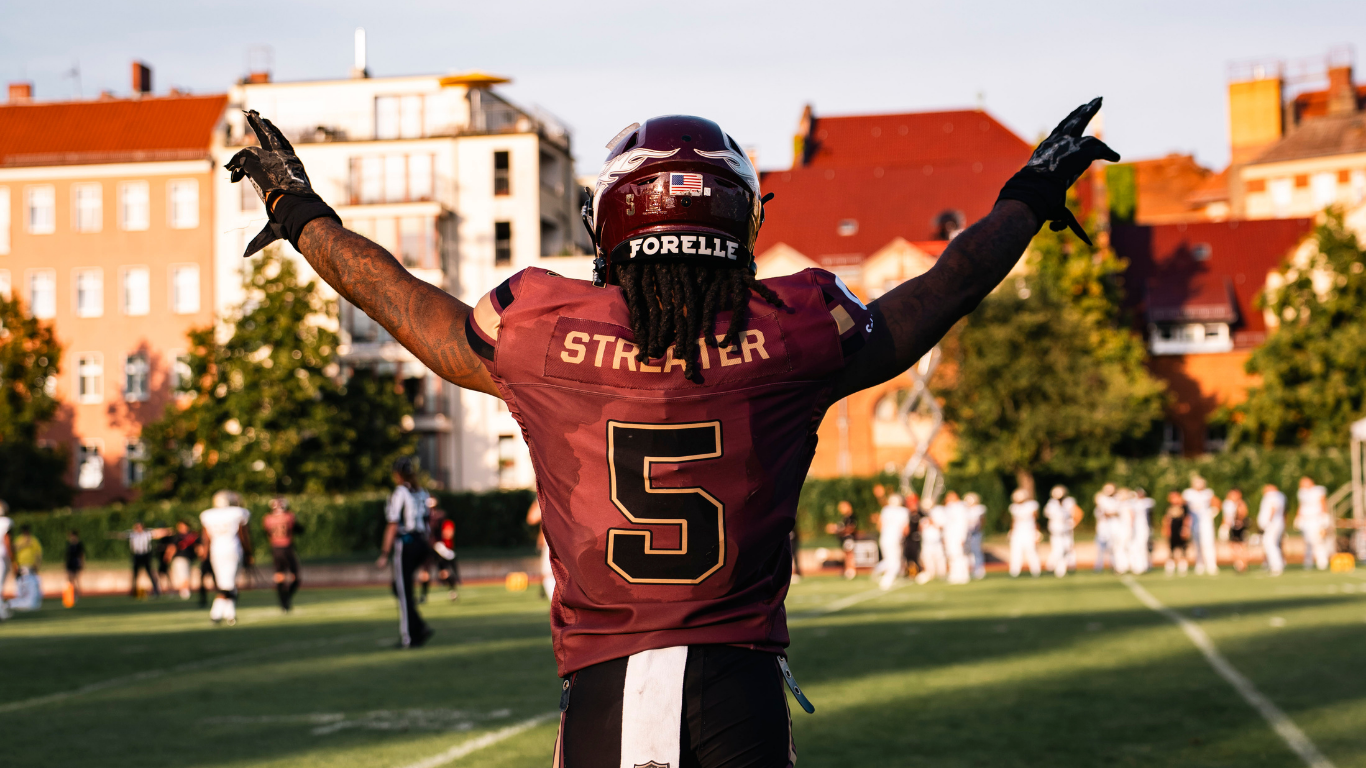
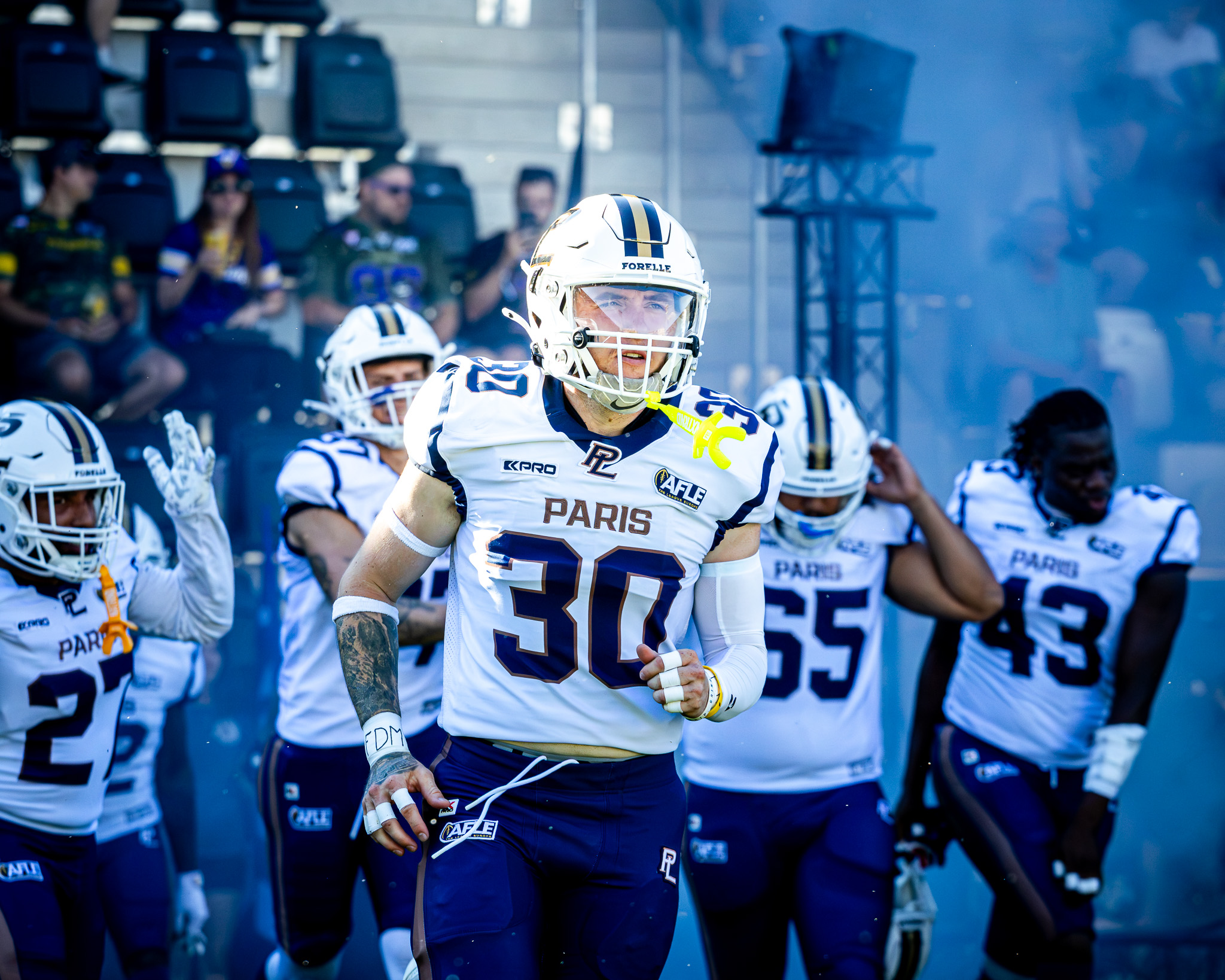
To someone watching American football for the first time, the amount of protective gear the players wear can seem extreme. Helmets, shoulder pads, knee pads, thigh guards, a mouthguard, and more. It looks almost like armour. But once you understand the physical nature of the sport, every piece of equipment makes complete sense.

What makes American football so physically demanding
American football is built around collisions. On every single play, large and fast athletes run directly at each other at full speed. Offensive and defensive linemen collide with each other on every snap. A running back carrying the ball will be hit by multiple defenders before the play ends. A wide receiver running a route across the middle of the field may be struck by a safety travelling at full sprint from the other direction. These are not incidental contacts. They are a fundamental part of how the game works.
The players involved are also exceptionally large and fast by any athletic standard. A professional offensive lineman might weigh 140 kilograms while still being able to run and change direction with speed. When two players that size collide at full pace, the forces involved are genuinely significant. The equipment exists to manage those forces and reduce the risk of serious injury.
The role of the helmet
The helmet is the most recognisable piece of equipment and the most important. It protects the skull and face from direct impact and includes a facemask that prevents blows to the nose, jaw, and teeth. Modern helmets use advanced materials and internal padding systems designed to absorb and redirect the energy from impacts rather than simply resisting them.
Despite the protection a helmet provides, the sport has faced serious scrutiny over head injuries. Research has shown that repeated impacts to the head, even those that do not cause an obvious concussion, can accumulate and cause long-term brain damage known as chronic traumatic encephalopathy, or CTE. This has led to major rule changes aimed at reducing helmet-to-helmet contact and protecting quarterbacks and defenceless receivers. The NFL and other leagues continue to invest heavily in helmet technology and player safety protocols, and the conversation around player health is now a permanent part of how the sport is discussed at every level.
Shoulder pads and body protection
Shoulder pads absorb impacts to the upper body and protect the collarbone, shoulders, and chest. They also distribute the force of a hit across a wider surface area, reducing the concentration of impact on any single point. Different positions wear different sizes and shapes of shoulder pad depending on what they need. Linemen wear larger, heavier pads built for sustained blocking and physical battles. Wide receivers and quarterbacks often wear lighter, more streamlined versions that allow for greater freedom of movement.
Players also wear pads on their hips, thighs, and knees, which are areas that hit the ground hard on every tackle. A running back might be tackled and fall to the turf dozens of times across a season. Without protection on the lower body, the accumulated damage from those landings would be significant.
Why the equipment does not make the game less physical
One common misconception is that the protective gear makes American football safer than rugby, where players wear minimal protection. The reality is more complicated. The equipment allows players to make contact they would never attempt without it. Blocking techniques, tackling angles, and the overall speed and aggression of the game are all shaped by the fact that players are wearing protection. The gear does not eliminate physical risk. It manages it, while enabling a style of play that simply could not exist without it.
See the sport live with the AFLE
The American Football League Europe launches in 2026 and plays by NFL rules, including the latest player safety standards. Follow the AFLE and watch how professional athletes compete at the highest European level across a full season.