Positions in American Football: A complete guide
American football is a highly strategic sport with many specialized positions. Each player has a clear role, and every play depends on timing, teamwork, and execution. Understanding these positions helps you better follow the game and recognize what is happening on the field.

Offense: moving the ball and scoring
The offense is the team in control of the ball. Their goal is to move the ball down the field and score points through well-coordinated plays.
Quarterback (QB)
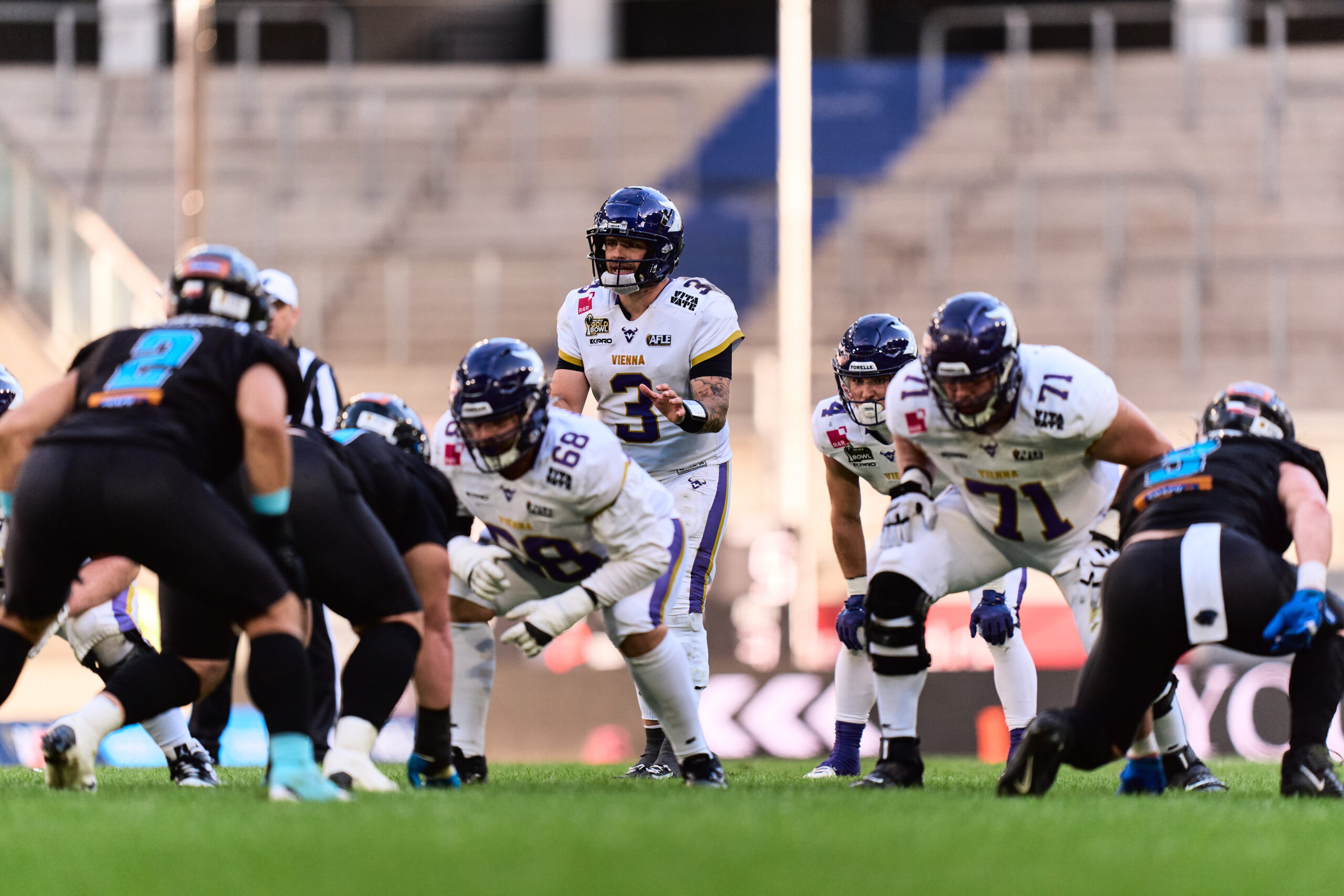
The quarterback is the leader of the offense. He starts every play, reads the defense before and after the snap, and decides how the play develops. He can throw the ball, hand it off, or run it himself. A strong quarterback combines decision-making, accuracy, leadership, and the ability to stay calm under pressure.
Running Back (RB) and Fullback (FB)
The running back is the main ball carrier and is responsible for gaining yards on the ground. He needs good vision to find running lanes, quick reactions, and the strength to break tackles. Running backs are also involved in the passing game and can catch short passes.
The fullback is a more physical type of back. He is usually bigger and plays a key role as a blocker. The fullback often leads the way for the running back by blocking defenders and creating space. In some situations, he can also carry the ball himself, especially in short-yardage plays.
Wide Receiver (WR)
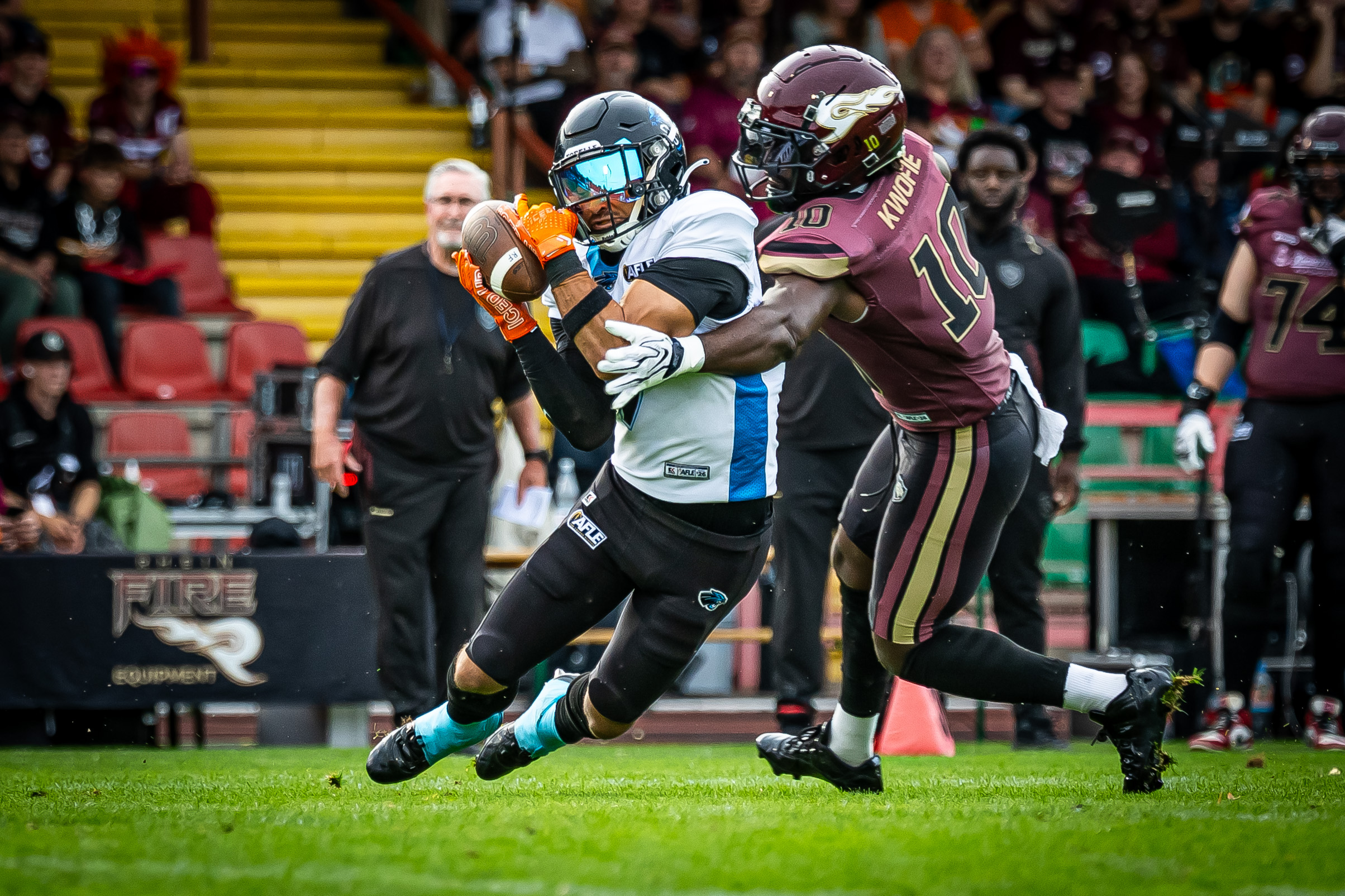
Wide receivers are the main targets in the passing game. They run precise routes and try to get open against defenders. Timing with the quarterback is very important, as they must be in the right position at the right moment.
Receivers on the outside often focus on deeper routes, while slot receivers, who line up closer to the middle, are more involved in short and quick passing plays.
Tight End (TE)
The tight end combines the roles of a blocker and a receiver. He lines up close to the offensive line and helps protect the quarterback or block for running plays. At the same time, he can run routes and catch passes.
Because of this, tight ends must be both strong and athletic. They are often used in key situations because they can create advantages against different types of defenders.
Offensive Line (OL)
The offensive line is responsible for protecting the quarterback and creating space for the running game. It consists of five positions, each with a specific role.
The center is in the middle of the line and starts the play with the snap. He is also responsible for communication and helps organize blocking assignments. On both sides of the center are the guards, who focus on blocking defenders on the inside and helping open running lanes. On the outside are the tackles, who protect the edges of the line, especially against fast pass rushers who try to reach the quarterback.
All five players must work together perfectly. Their coordination and technique are essential for every successful offensive play.
Defense: stopping the opponent
The defense tries to stop the offense from gaining yards and scoring. Each position group has its own role, but all players must react quickly and work together.
Defensive Line (DL)
The defensive line lines up directly against the offensive line. It usually consists of defensive tackles and defensive ends.
Defensive tackles play on the inside and focus on stopping the running game and controlling the middle of the line. Defensive ends line up on the outside and are often responsible for putting pressure on the quarterback. They try to get around the offensive tackles and disrupt passing plays.
The defensive line must be strong, quick, and aggressive at the moment the ball is snapped.
Linebackers (LB)
Linebackers play behind the defensive line and are involved in both run defense and pass defense. There are different types of linebackers with different responsibilities.
The middle linebacker is often the leader of the defense. He reads the offense, makes calls, and reacts to the play. Outside linebackers are usually more flexible. They can rush the quarterback, cover receivers, or stop the run depending on the situation.
Linebackers must combine strength, speed, and game intelligence. They are key players in almost every defensive play.
Defensive Backs (DB)
Defensive backs are responsible for defending against passes and preventing big plays. This group includes cornerbacks and safeties.
Cornerbacks usually cover wide receivers directly and must react quickly to routes and passes. Safeties play deeper on the field and provide support. There are typically two types of safeties: one who plays closer to the line and helps against the run, and one who stays deeper to protect against long passes.
Defensive backs need speed, awareness, and strong reaction skills to succeed.
Special Teams: key moments in the game
Special teams come onto the field during kicking situations and include several different roles.
The kicker is responsible for scoring points through field goals and extra points. The punter is used when the offense cannot continue its drive and kicks the ball to the other team to gain field position.
There is also the long snapper, who delivers the ball accurately over a longer distance during punts and field goals. The holder receives the snap and places the ball for the kicker.
Returners handle kickoffs and punts and try to gain as many yards as possible after catching the ball. Coverage units, often called kick coverage or punt coverage teams, are responsible for stopping the returner as quickly as possible.
How all positions work together
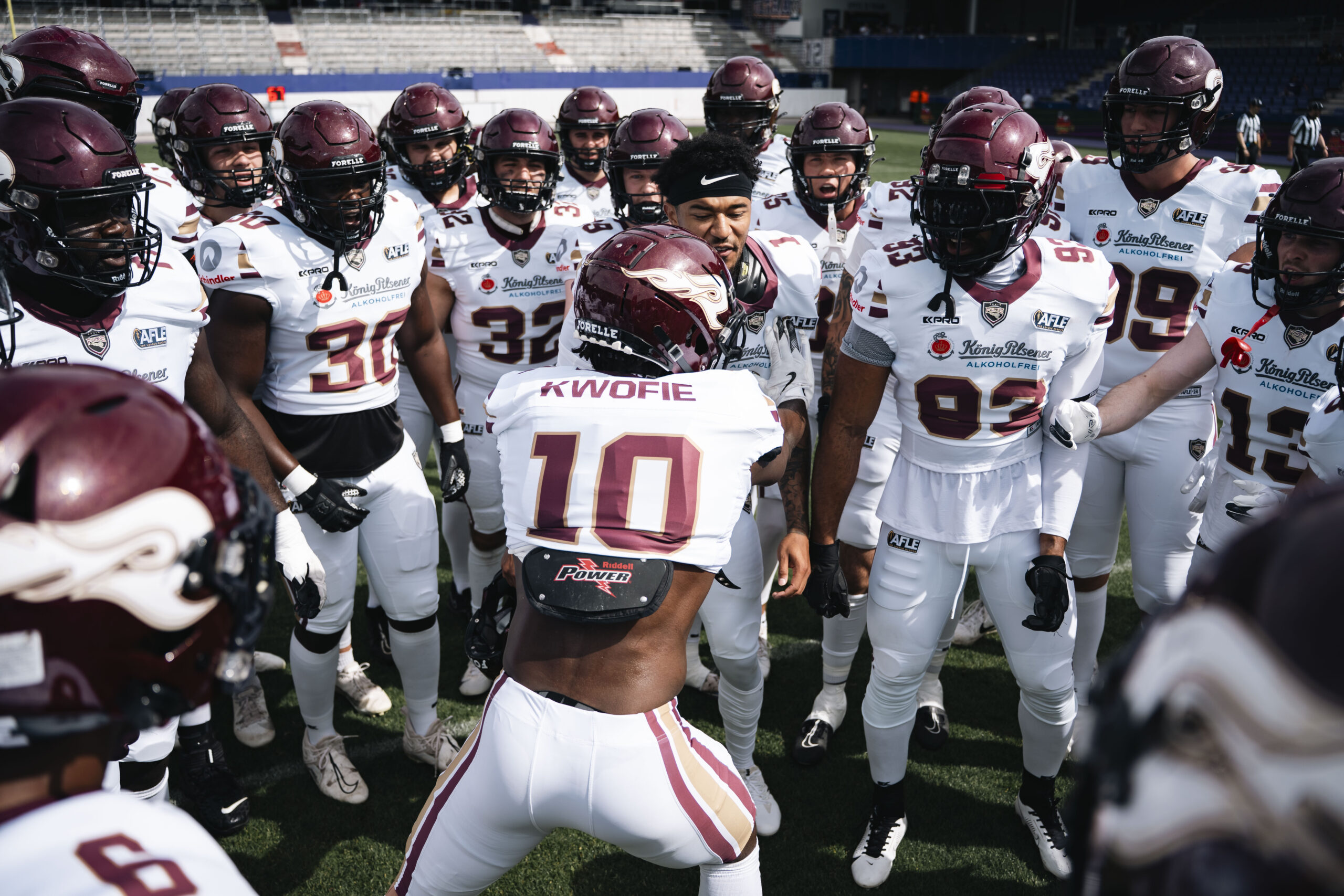
American football is a true team sport where every position depends on the others. The offense relies on protection and timing, the defense depends on coordination and quick reactions, and special teams can change the momentum of a game in just one play.
Each position group has its own tasks, but success only comes when all players execute their roles together.
Understanding the game as a whole
Understanding the positions in American football gives you a deeper understanding of the game. Each position has its own responsibilities, and every player contributes to the overall success of the team.
From the quarterback leading the offense to the different defensive units stopping plays, football is built on teamwork, structure, and strategy.