How American football works: A beginner’s guide to the game
American football can look complex at first, especially for fans who are new to the sport. Unlike many other sports, the game is very structured, with clear phases, specific rules, and many short plays. However, once you understand the basics, it becomes much easier to follow and enjoy.

The American Football League Europe (AFLE) uses the same rules as the NFL. This means you are watching the game at the highest professional standard, and learning these rules will help you understand football anywhere in the world.
The goal of the game
The main goal in American football is to score more points than your opponent. Teams do this by moving the ball down the field and reaching the opponent’s end zone.
A touchdown is the most common way to score and is worth six points. After a touchdown, the team has the chance to add extra points. This can be done with a kick for one point or by running or passing the ball into the end zone again for two points.
If a team cannot reach the end zone but is close enough, they can attempt a field goal, which is worth three points. In rare situations, the defense can score a safety, which gives them two points.
The field and team setup
The game is played on a field that is 100 yards long, with an end zone on each side. The field is divided into sections to help measure progress.
Each team has eleven players on the field at a time. Teams use different units for offense, defense, and special teams, depending on the situation. This means players specialize in specific roles, making the game very organized and tactical.
Game structure and time
A game is divided into four quarters, each lasting 15 minutes. After the second quarter, there is a halftime break.
The clock does not run continuously. It stops in many situations, such as incomplete passes, players going out of bounds, or penalties. Because of this, games usually take around three hours in real time.
Each team also has timeouts, which they can use to stop the clock and discuss strategy.
Downs and gaining yards
One of the most important rules in American football is the system of downs.
The offense has four attempts, called downs, to gain at least ten yards. If they succeed, they get a new set of downs and continue their drive. If they fail, the other team gets the ball.
This rule creates strategy in every situation. Teams must decide whether to run, pass, or kick based on the distance they need to gain.
How plays work
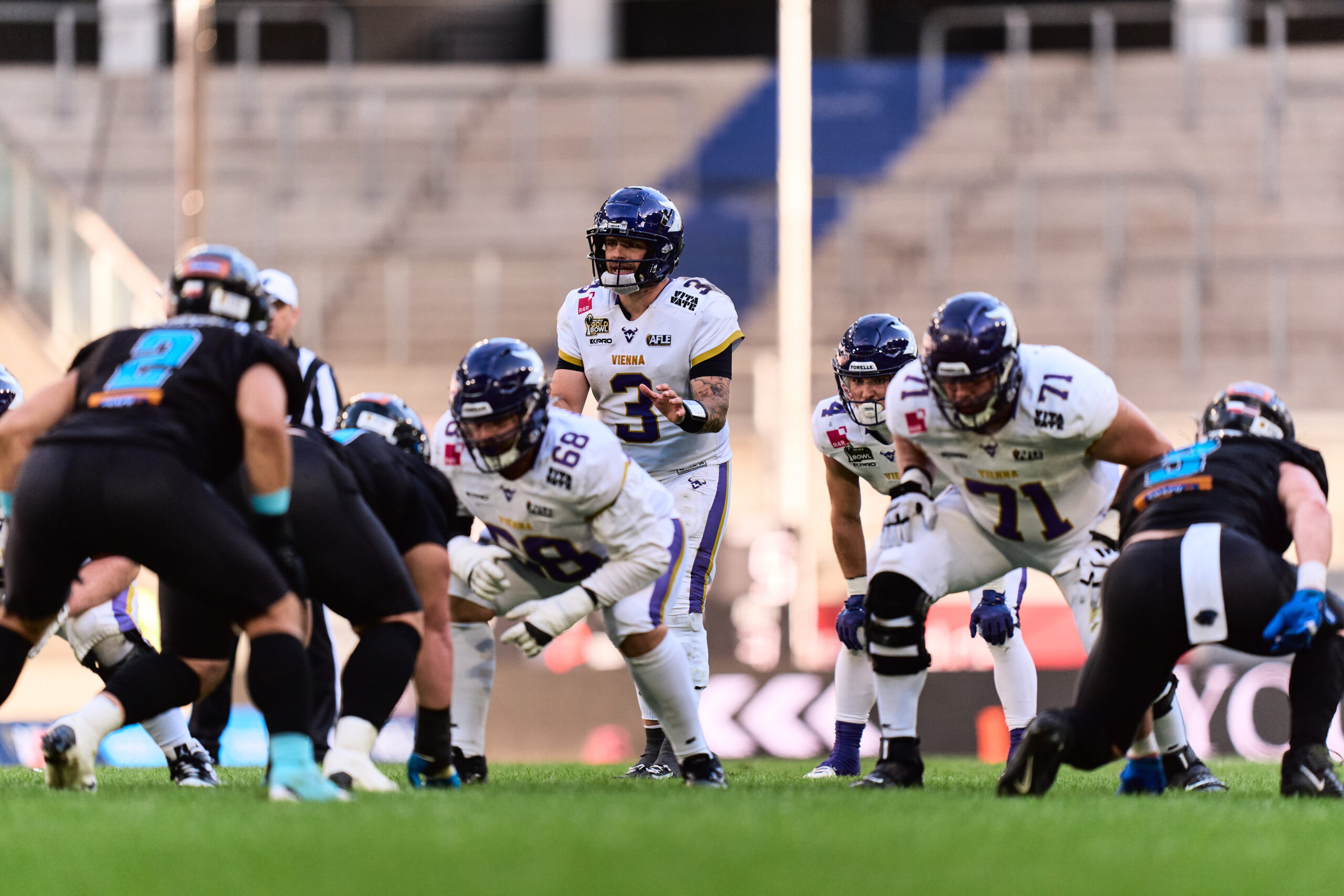
Every play begins with the snap, where the center passes the ball to the quarterback.
From there, the offense runs a planned play. This can be a running play, where the ball carrier tries to gain yards on the ground, or a passing play, where the quarterback throws the ball to a receiver.
Only one forward pass is allowed per play, and it must be thrown from behind the line of scrimmage. Backward passes are allowed but are less common.
Each play is short, but every play is important and part of a bigger strategy.
When a play ends
A play ends when the ball carrier is tackled, goes out of bounds, or when a forward pass is not completed.
The ball is then placed at the spot where the play ended, and the next play begins from there. This creates a stop-and-start rhythm, where teams can plan every situation carefully.
Turnovers and possession changes
A turnover happens when the defense gains possession of the ball.
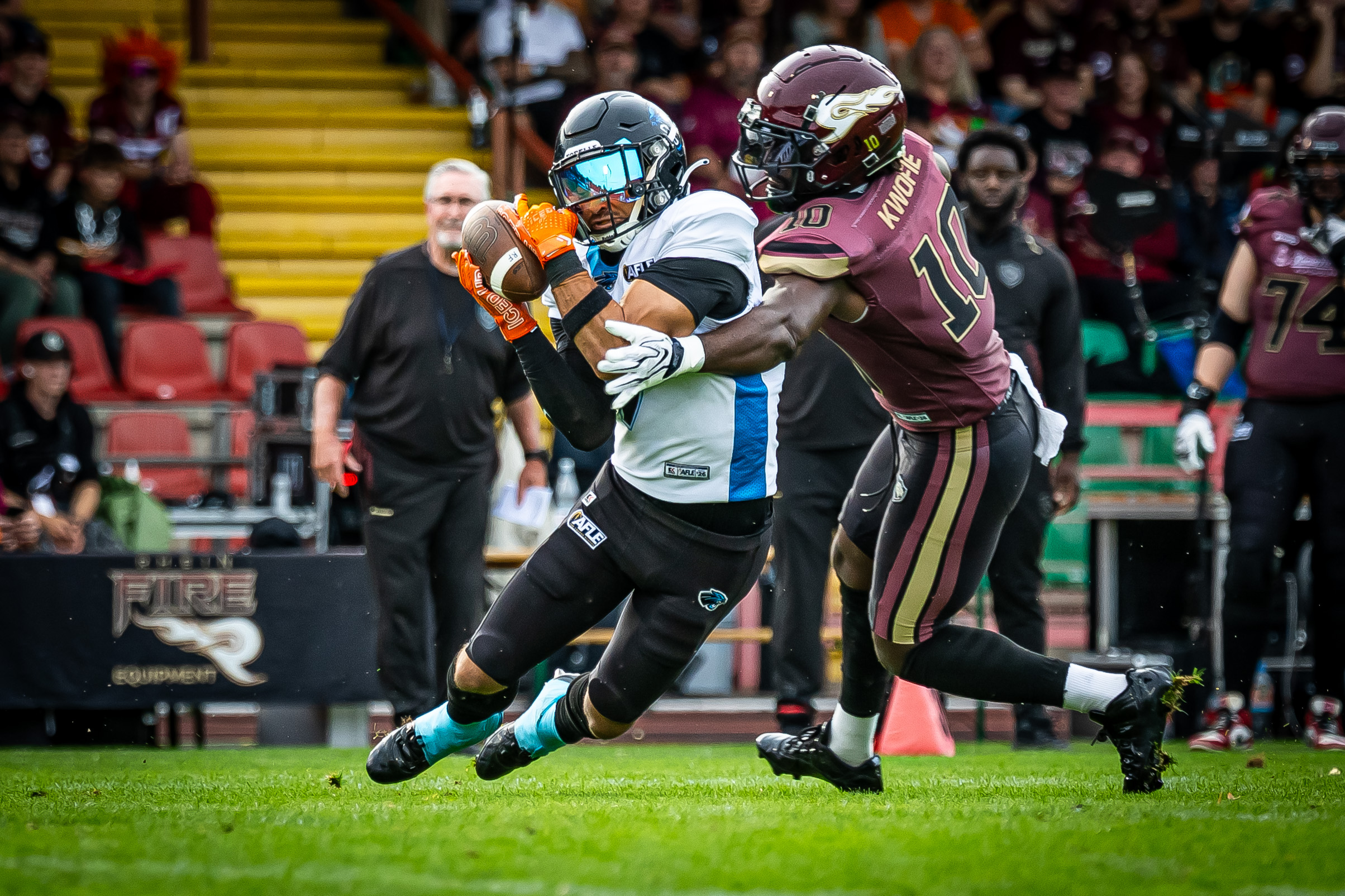
This can happen through an interception, when a defender catches a pass, or a fumble, when the ball carrier loses control of the ball and the defense recovers it.
Turnovers are very important because they can quickly change the momentum of the game and give the other team a scoring opportunity.
Special teams and kicking situations
Special teams are responsible for kicking plays, which are important for both scoring and field position.
On fourth down, teams often punt the ball if they cannot gain enough yards. This gives the opponent the ball but pushes them further back on the field.
Field goals are used when a team is close enough to score but cannot reach the end zone. Kickoffs start each half and follow scoring plays, with the return team trying to gain as many yards as possible.
Penalties and fair play
American football has many rules to ensure fair play and player safety.
Penalties are called when a team breaks the rules. Common examples include holding, offside, and pass interference. These penalties usually result in gaining or losing yards.
Penalties can have a major impact on the game, sometimes stopping a scoring drive or helping a team move forward.
Strategy and what makes football unique
American football is unique because of its combination of physical action and detailed strategy.
Each play is planned, and teams constantly adjust based on the situation. Coaches and players must make fast decisions and react to the opponent’s actions.
This mix of planning, execution, and teamwork is what makes the sport so exciting to watch.
How the AFLE fits into this
The AFLE follows the same rules as the NFL, which means the game structure, scoring system, and gameplay are the same.
For new fans around the world, this makes it easier to learn and follow the sport, whether you are watching games in Europe, Asia or in the United States.
How everything comes together
Once you understand the basic rules, the game becomes much clearer. You start to see why teams make certain decisions and how strategies develop during a game.
Every play has a purpose, every yard matters, and every moment can change the outcome.
Final thoughts on football rules
American football may seem complex at first, but it becomes easier step by step. By learning the rules, you can enjoy the game on a deeper level and understand what makes it special.
No matter where you are from, football offers excitement, strategy, and teamwork making it one of the most unique sports in the world.